













AI will not replace doctors. But doctors using AI will replace those who do not, says Visiting Professor Cesare Hassan
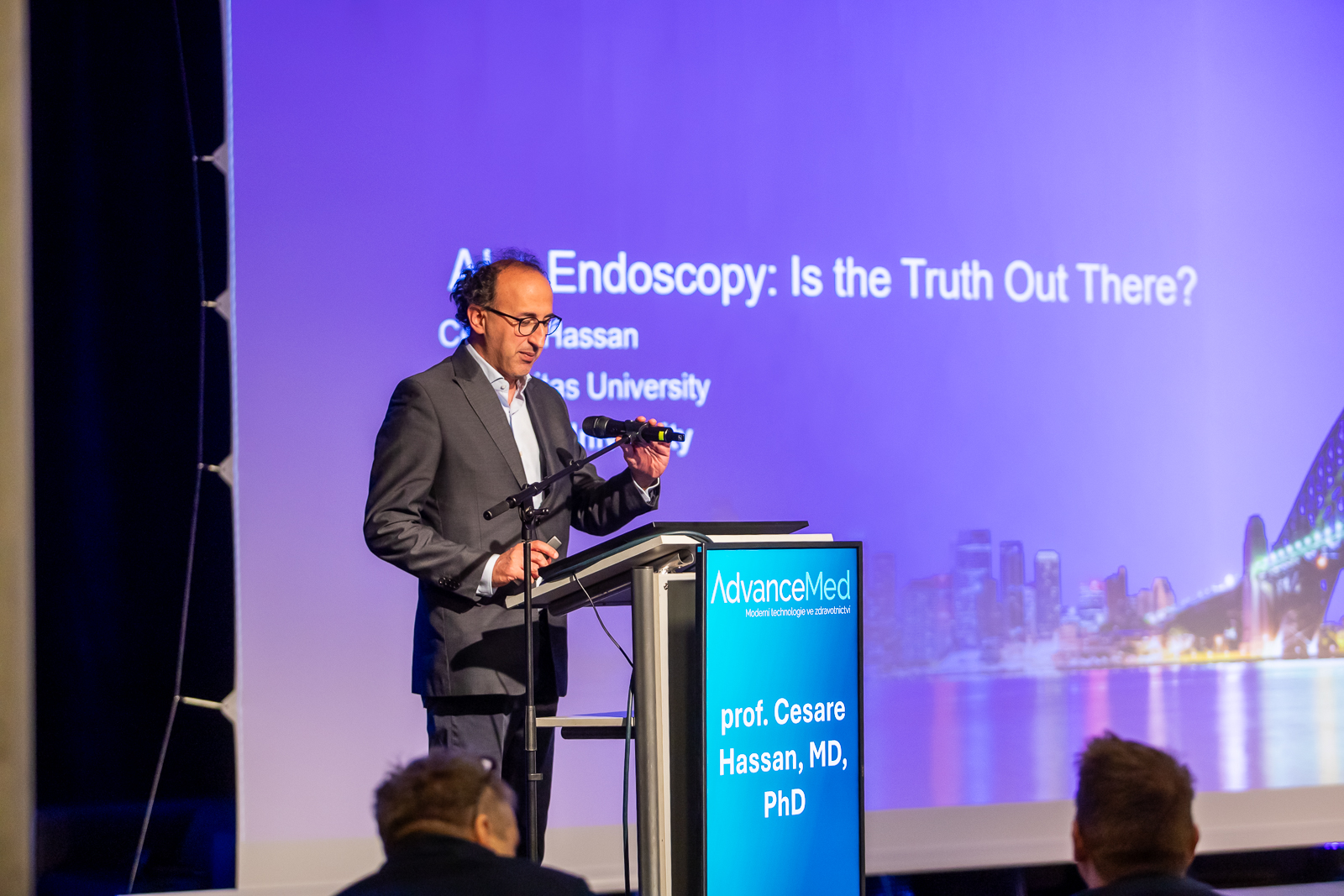
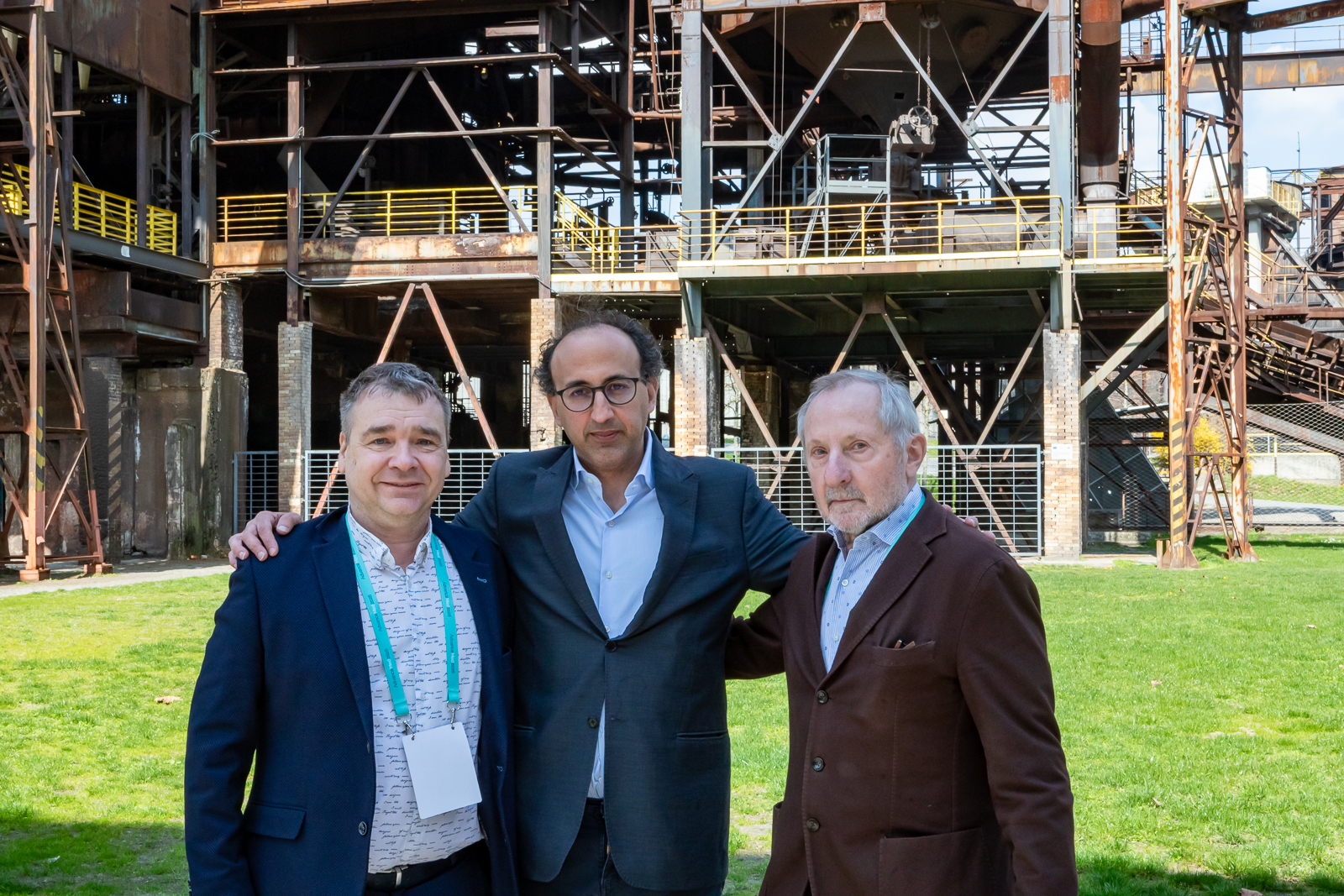
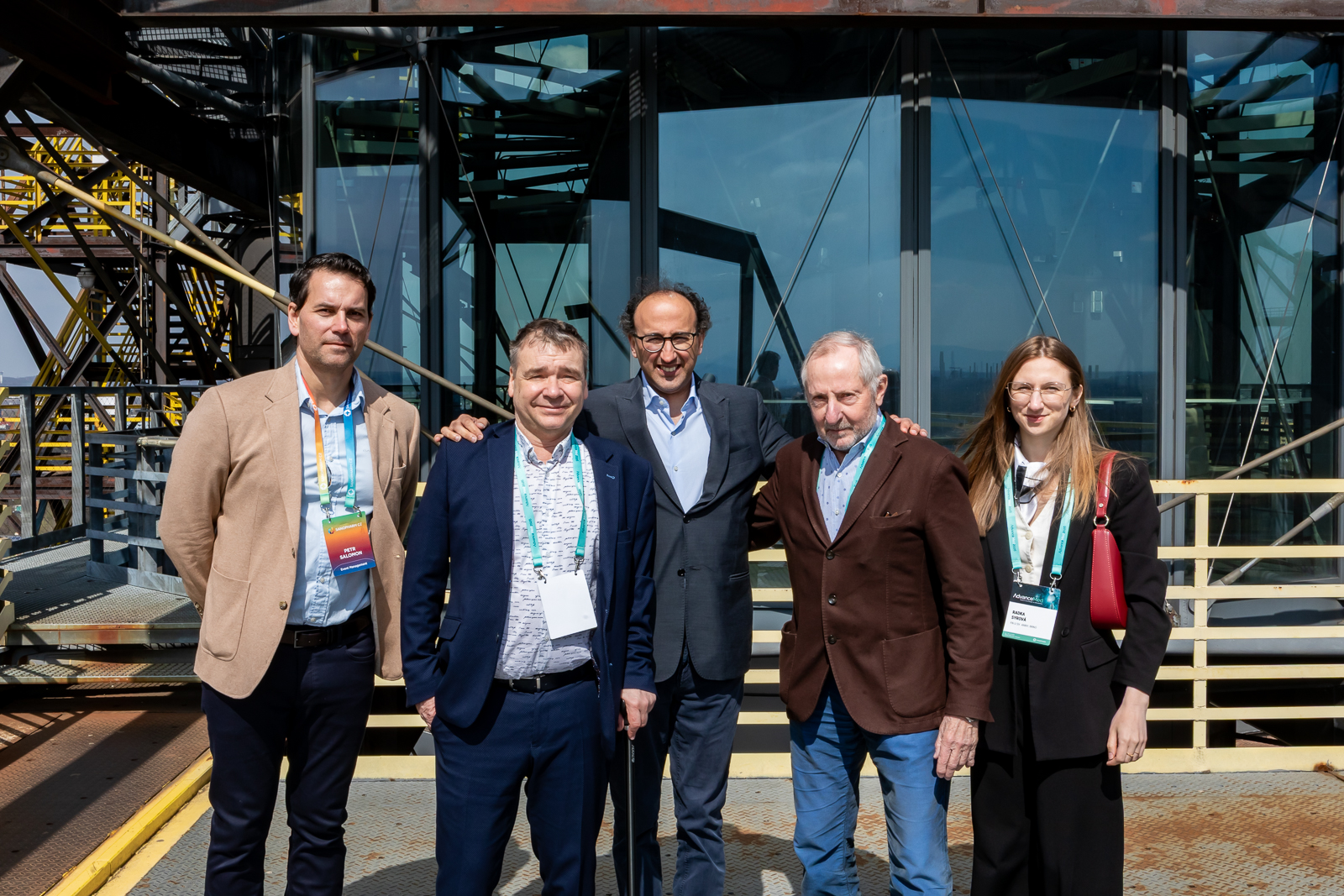
The Faculty of Medicine at the University of Ostrava has recently welcomed three new visiting professors. One of them is leading gastroenterologist Cesare Hassan. He recently visited Ostrava, among other things, to speak at a conference dedicated to artificial intelligence in medicine. How is AI transforming the everyday practice of physicians today? And why does colorectal cancer prevention remain such a challenge? You will find out not only this in the interview below, in which he also reveals the one food he cannot live without as an Italian — even on the other side of the world.
Gastroenterology, and specifically endoscopy, sits at a unique intersection of cognitive analysis and manual, visual intervention. I was drawn to it because it is one of the few fields in medicine where you can diagnose a pre-cancerous condition and treat it in the exact same moment. When we find and remove a polyp during a colonoscopy, we aren't just treating a symptom; we are actively preventing cancer. That immediate, tangible impact on a patient's life is what captivated me early on and remains my primary motivation.
I am driven by one simple fact: our work is not finished yet. Despite all the progress we have made, people still suffer and die from colorectal cancer — a disease that is largely preventable. The gap between what is possible and today’s reality is what motivates me. And what inspires me? Above all, the rapid pace of technological development. Seeing a theoretical algorithm evolve into a practical tool in the endoscopy suite — one capable of detecting a lesion that the human eye might overlook — is incredibly inspiring. The ability of innovation to continuously redefine our “gold standards” never ceases to amaze me.
I would describe AI in endoscopy as a highly attentive and tireless “second pair of eyes.” When a physician performs a colonoscopy, they observe a live image and search for polyps, which may be flat, pale, or hidden behind intestinal folds. The human eye can become fatigued or lose focus for a brief moment. An AI system analyzes the same image in real time and discreetly highlights anything suspicious with a green frame. It does not make the diagnosis or remove the polyp — that remains the physician’s role — but it draws attention to potential abnormalities and helps ensure that nothing is overlooked.
The turning point came in the mid-2010s, when computer vision and deep neural networks began achieving human-level performance in image recognition tasks. Endoscopy is, in essence, real-time image analysis. Once I saw that neural networks could process visual data both rapidly and accurately, it became immediately clear to me that this was exactly what gastroenterology needed. It was a perfect match: a visually driven medical specialty and a technology specifically designed for visual recognition.
It has been a fascinating journey. At first, there was understandable skepticism. Physicians are accustomed to relying on their own experience, and concerns emerged that AI might interfere with their work, increase false-positive findings, or function as an opaque “black box.” However, once endoscopists experienced it in practice, resistance quickly faded. They soon realized that AI was not there to evaluate or slow them down, but to support them. Today, acceptance is overwhelmingly positive. In fact, many physicians tell me they can no longer imagine performing colonoscopies without AI assistance.
There is a saying I particularly like: “AI will not replace doctors, but doctors using AI will replace those who do not.” The relationship will be collaborative, not competitive. Medicine is not simply about pattern recognition. It requires empathy, ethical judgment, communication, and manual skills — qualities AI does not possess. Artificial intelligence will take over routine, data-intensive pattern recognition tasks, allowing physicians to focus on what humans do best: making complex clinical decisions and caring for the patient in front of them.
Today’s technologies for detecting and removing polyps are excellent. However, if patients do not attend screening examinations, these technologies are of little use. The greatest challenge lies in participation in screening programs. Colonoscopy is invasive, requires unpleasant bowel preparation, and still carries a degree of stigma. In addition, major disparities in healthcare access, funding, and public awareness persist across the world. Early detection today is less a technological problem and more a behavioral, logistical, and socioeconomic one.
Organized, population-based screening programs are the absolute backbone of reducing cancer mortality. They shift the entire healthcare paradigm from expensive, late-stage treatments to highly effective, early-stage prevention. To improve, countries need to focus on targeted outreach and non-invasive triage. Utilizing stool tests (like FIT) to identify high-risk individuals who actually need a colonoscopy can optimize resources and drastically increase public participation.
My first piece of advice would be: stay closely connected to clinical reality. Do not conduct research “in a vacuum” — focus on solving problems that genuinely affect patients in hospital wards or endoscopy units. Second, prioritize collaboration over competition. The best research today is inherently multidisciplinary. Physicians must work closely with data scientists, engineers, and public health experts. And finally, be resilient. Rejection is a normal part of scientific work — learn from it and keep moving forward.
Medical schools must integrate digital health and data science into their core curricula. In many ways, we are still teaching medicine much as we did thirty years ago. Future physicians do not need to become software engineers, but they do need to understand the fundamentals of machine learning, know how to interpret algorithms, and critically assess their limitations and potential biases. We must teach them to become intelligent users and responsible stewards of medical technologies.
Research and clinical work can be incredibly demanding, so I value simplicity in my downtime. I love spending time with my family, disconnecting from screensn for all the weekend, and enjoying the natural beauty of Italy, whether seaside or Alp mountain.
Having spent a significant part of my life and career in Rome, I would have to say perfectly prepared Tonnarelli Cacio e Pepe. It is a masterpiece of simplicity — just pasta, Pecorino Romano cheese, and black pepper.
Informatics. I was crazy with coding in the high-school.
I hope to see the complete eradication of colorectal cancer as a fatal disease. Through the combination of precision AI-supported screening, highly accurate non-invasive blood biomarkers, and targeted molecular therapies, I believe we can reach a point where colorectal cancer becomes merely a manageable and largely preventable chapter in the history of medicine. To see the disease we have fought for so long finally defeated—that would be the ultimate breakthrough.
Updated: 04. 06. 2026


